

In a world where cash is becoming as rare as a unicorn sighting, it’s time to embrace the magic of tap to pay on your iPhone. Imagine effortlessly accepting payments with just a wave of your phone, leaving your customers wondering if you’ve got a secret superpower. Spoiler alert: you don’t need a cape—just a few simple steps!
Understanding Tap To Pay On iPhone
Tap to pay on an iPhone represents a modern cashless transaction method. This feature allows users to accept payments quickly and efficiently, transforming everyday purchases.
What Is Tap To Pay?
Tap to pay is a contactless payment system using NFC technology. It allows users to make transactions by hovering their iPhones over compatible payment terminals. This system doesn’t require physical cards or cash, streamlining the payment process. Using Apple Pay, consumers can complete purchases in seconds. Businesses can leverage this feature to enhance customer experiences. With security features like tokenization, sensitive information stays protected during transactions.
Benefits Of Using Tap To Pay
Using tap to pay provides numerous advantages for both consumers and businesses. Transactions occur swiftly, reducing wait times at checkout. People appreciate the convenience, as they no longer need to carry physical cards or cash. Saving time leads to increased customer satisfaction. Businesses can also benefit from improved transactions, allowing for a smoother service experience. Secure transactions foster trust, encouraging customers to return. Lastly, the contactless nature of tap to pay supports hygiene, especially relevant during health concerns.
Setting Up Tap To Pay On Your iPhone
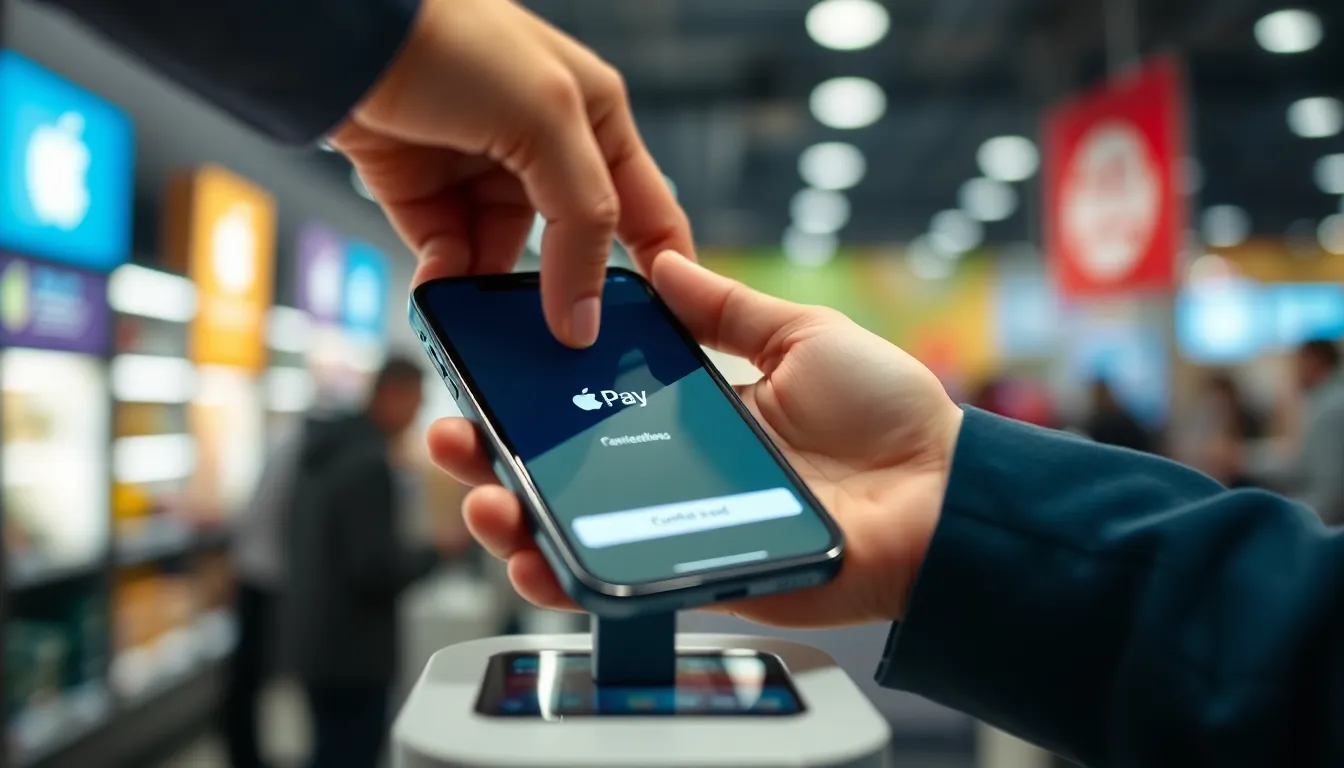
To enable tap to pay on an iPhone, specific models and requirements exist, followed by an easy setup process.
Compatible Models And Requirements
iPhone models that support tap to pay include iPhone XS, iPhone XR, and newer models. These devices must run on iOS 15 or later to function correctly. Additionally, users need an Apple Pay account, linked to a valid payment method. NFC technology supports the tap to pay function, ensuring seamless communication with compatible payment terminals.
Step-By-Step Setup Guide
Setting up tap to pay starts with enabling Apple Pay in the Wallet app. Users should open the Wallet app, tap the plus sign, and follow prompts to add their credit or debit card. After card verification, users must ensure that the “Payment” option in the Wallet settings is enabled. Testing the setup involves finding a compatible payment terminal, placing the iPhone near the terminal, and confirming the transaction. Regularly updating the iOS keeps the tap to pay feature functioning smoothly.
Accepting Payments Through Tap To Pay
Tap to pay enables seamless transactions, making it ideal for various environments. Many retailers have embraced this technology for its efficiency and ease of use.
Accepting Payments In Retail Environments
Retailers benefit greatly from tap to pay solutions. Customers can complete purchases quickly by simply tapping their iPhones on compatible card readers. Reducing wait times enhances the shopping experience, leading to increased customer satisfaction. Employees find it easier to process sales, freeing up time to assist more shoppers. Many major retail chains, such as Starbucks and Target, support tap to pay, facilitating a modern payment experience.
Accepting Payments For Services
Service providers also find tap to pay advantageous. Professionals, like plumbers or personal trainers, can accept payments on-site using their iPhones. Customers appreciate the convenience of paying immediately after services are rendered. This method improves cash flow for service providers, as payments process instantly. Many freelancers and small businesses utilize this feature to streamline transactions, creating a hassle-free payment experience for both parties.
Troubleshooting Common Issues
Some users may encounter issues while using tap to pay on their iPhones. Understanding these common problems helps ensure a smooth transaction experience.
Connection Problems
Connection issues often arise when the iPhone’s NFC feature is disabled. Users should check that the feature is active in the device’s settings under Bluetooth and NFC. Sometimes, being too far from the payment terminal causes failure, so keeping the iPhone close to the reader is crucial. Additionally, interference from certain cases may disrupt the NFC signal. Removing the case during transactions can resolve this. Updates to the iOS may also fix connectivity problems, so keeping the software current is recommended.
Payment Failures
Payment failures can occur for various reasons. The link between the Apple Pay account and the payment method may be broken or invalid. Checking for an active payment method in the Wallet app is critical. Insufficient funds or card issues often lead to failed transactions as well, and users should verify card status before attempting a payment. Sometimes, a specific terminal may be having issues with tap to pay, so trying another terminal allows for troubleshooting. If problems persist, contacting Apple’s support will provide additional assistance.
Embracing tap to pay on an iPhone transforms the payment experience for both consumers and businesses. This innovative method not only enhances convenience but also promotes efficiency and security in transactions. By following the straightforward setup steps, users can unlock the full potential of their devices and enjoy a seamless cashless lifestyle.
As more businesses adopt this technology, customers will appreciate the quick and easy payment process. Whether in retail, service industries, or freelance work, tap to pay offers a modern solution that caters to today’s fast-paced world. With an eye on ongoing developments in payment technology, users can stay ahead of the curve and make the most of their iPhone’s capabilities.