

Bernie Sanders has always been a captivating figure in American politics, known for his passionate speeches and unwavering commitment to social justice. But have you ever wondered how his financial journey stacks up against his political ideals? It’s time to take a peek at Bernie’s net worth graph, where the numbers tell a story that’s both intriguing and, dare we say, a bit amusing.
From his humble beginnings to becoming a household name, Sanders’ financial evolution is a rollercoaster ride that reflects his unique approach to wealth. Spoiler alert: it’s not all about the bling! Join the exploration of how this champion of the 99% navigated the world of finance while advocating for the little guy. Buckle up—this isn’t just a graph; it’s a tale of ambition, resilience, and maybe a little bit of irony.
Overview of Bernie Sanders’ Net Worth
Bernie Sanders’ net worth reflects a significant increase over the years, showcasing his transition from a relatively modest lifestyle to a prominent political figure. As of 2023, estimates place his net worth at approximately $2.5 million. This figure largely stems from various income sources, including book royalties, his salary as a senator, and investments.
Property holdings contribute to his financial portfolio. Sanders owns multiple properties, including a lakeside home in Vermont, valued at over $600,000. He also made notable income during his 2016 and 2020 presidential campaigns, receiving around $1 million from book sales.
Earnings from public speaking engagements and media appearances supplement his income. These opportunities allow him to communicate his political messages while enhancing his financial standing. Moreover, the rise in his net worth contrasts with his political advocacy, which often critiques wealth inequality.
Investments made throughout his career provide additional financial security. Sanders has diversified his assets through stocks and other investment vehicles. Reports indicate that he maintains a solid investment strategy, with some holdings reflecting progressive values, aligning with his political beliefs.
Net worth growth illustrates an interesting narrative for Sanders. It demonstrates how he navigates personal finances while advocating for policies benefiting the working class. By emphasizing the importance of economic disparities in America, Sanders uses his financial journey to underline his commitment to social justice and equality.
Historical Analysis of Bernie Sanders’ Net Worth Graph
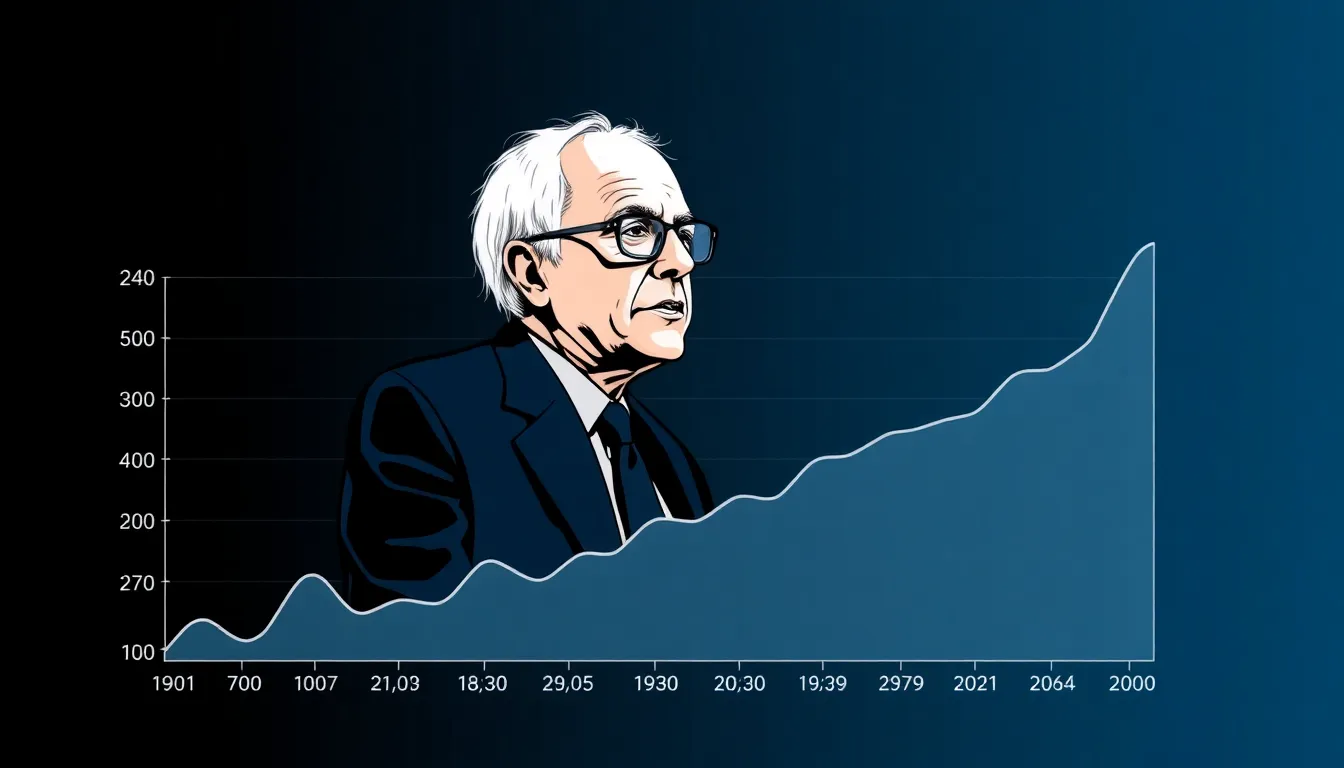
Bernie Sanders’ financial trajectory showcases significant changes over time, reflecting his political career and underlying philosophies.
Early Years and Financial Beginnings
Early in life, Sanders faced financial challenges. His modest upbringing in Brooklyn shaped his views on wealth and inequality. Students loaned him money for college, illustrating the struggle he experienced. In 1971, he relocated to Vermont, where he adopted a lifestyle emphasizing community engagement over material wealth. He earned minimal income as a freelance writer and political activist initially. Serious wealth accumulation began later in his career with various public service roles, allowing him to develop a stable income foundation.
Growth Over the Years
Over the decades, Sanders’ financial health improved noticeably. His tenure as Burlington’s mayor in the 1980s set the stage for future opportunities. Subsequent positions, including U.S. Representative and Senator, increased his earnings through a stable salary. Book sales surged during his presidential campaigns; his royalties neared $1 million, reflecting his influence and popularity. Property ownership added another layer to his financial portfolio, highlighted by his lakeside home in Vermont, valued over $600,000. This growth illustrates an interesting contrast between his personal wealth and his ongoing advocacy for economic equality.
Recent Developments in Bernie Sanders’ Financial Status
Bernie Sanders’ financial status continues evolving. Recent updates reveal significant earnings influenced by his political career and investments.
Impact of Political Career
His political career—which spans decades—has substantially bolstered his net worth. Progressing from mayor of Burlington to U.S. Senator, each role brought increased salary benefits. Reports indicate that Sanders earned around $174,000 annually as a senator. The income from his presidential campaigns amounted to approximately $1 million, emphasizing the financial rewards from public service and political visibility. Public speaking engagements also contribute to his wealth, allowing him to earn additional income while promoting his progressive message. These factors collectively enhance his financial stability and underscore the relationship between his political ambitions and wealth accumulation. Growing earnings reflect the broader narrative of politicians navigating financial landscapes.
Real Estate Investments
Real estate plays a prominent role in Sanders’ financial portfolio. He possesses multiple properties, with a notable lakeside home in Vermont valued at over $600,000. Investments in real estate offer stable returns and contribute significantly to his net worth. Acquiring properties forms a strategic aspect of his financial security, diversifying income sources. Each property reflects an investment in his values—aligning with his stance on housing and social justice. Recent increases in property values support his financial growth. This investment approach highlights his awareness of market trends while maintaining alignment with his advocacy for responsible wealth management. Managing real estate assets has proved fruitful for Sanders, balancing his financial priorities with his political values.
Comparisons with Other Politicians
Sanders’ net worth of approximately $2.5 million positions him uniquely among American politicians. Notably, he contrasts with figures like Donald Trump, whose wealth is estimated at $2.5 billion. Trump’s income sources largely stem from real estate, branding, and entertainment.
Hillary Clinton’s net worth stands at about $120 million, significantly higher than Sanders. She accumulated wealth through investments, speakerships, and book royalties. Comparatively, Joe Biden’s net worth is around $9 million, primarily generated from his time in the Senate, as Vice President, and public engagements.
Earnings in different political spheres clearly affect net worth. For instance, senators traditionally earn a salary of roughly $174,000 annually, influencing their financial trajectories. Wealth accumulation strategies differ widely, with Sanders focusing on real estate and book revenues.
Investments showcase strategies among politicians. Sanders owns properties, with a lakeside home valued above $600,000, while others like Mitt Romney boast a net worth of over $250 million due to substantial investments and private equity ventures.
Public speaking engagements create additional income streams. Sanders benefits from this, earning substantial fees for appearances. He utilizes these opportunities to promote his political messages further.
Varying backgrounds impact financial outcomes. Politicians from affluent families tend to start with a financial advantage, while those from modest origins, like Sanders, often grapple more with financial growth. Overall, these comparisons highlight the diverse financial landscapes within American politics.
Bernie Sanders’ net worth graph illustrates a remarkable financial journey that aligns with his progressive values. His rise from modest beginnings to a net worth of approximately $2.5 million underscores the impact of his political career and advocacy for social justice. While his financial growth is notable it remains distinctly different from the wealth accumulation strategies of other politicians.
Sanders’ approach to wealth reflects his commitment to addressing income inequality. With significant earnings from book sales and public speaking engagements he continues to advocate for the 99% while navigating his financial landscape. This unique blend of values and financial strategy sets him apart in American politics, showcasing a politician who prioritizes principles over materialism.


